
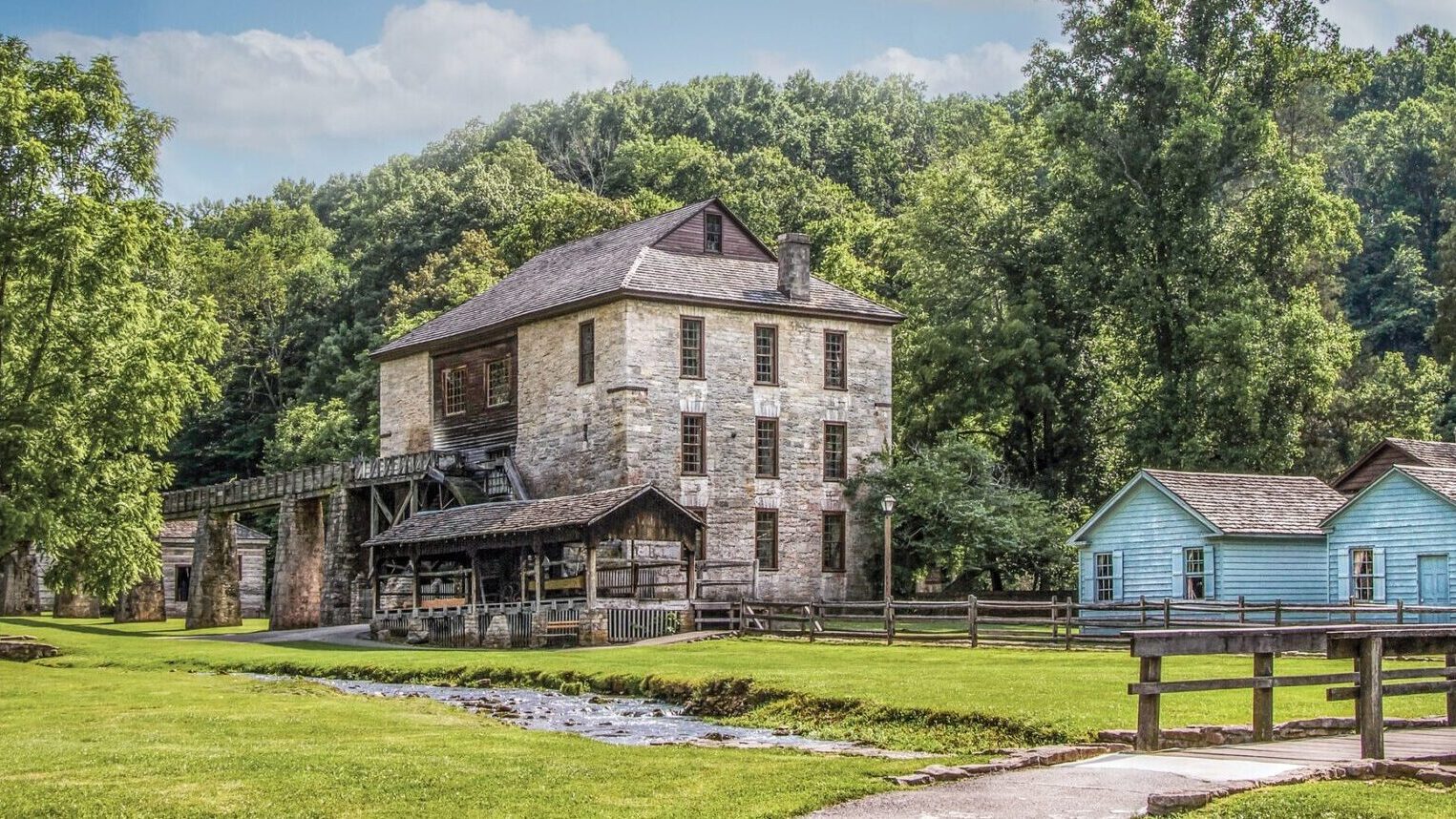
Take a trip through Hoosier history with some of our favorite southern Indiana historic sites! These spots tell the story of this region from the Devonian period millions of years ago to World War II and beyond. Walk through beds of fossils, see ancient Native American settlements, explore the places Abraham Lincoln lived and worked, and experience historic hotels that were frequented by movie stars in the 1920s.
Prehistory
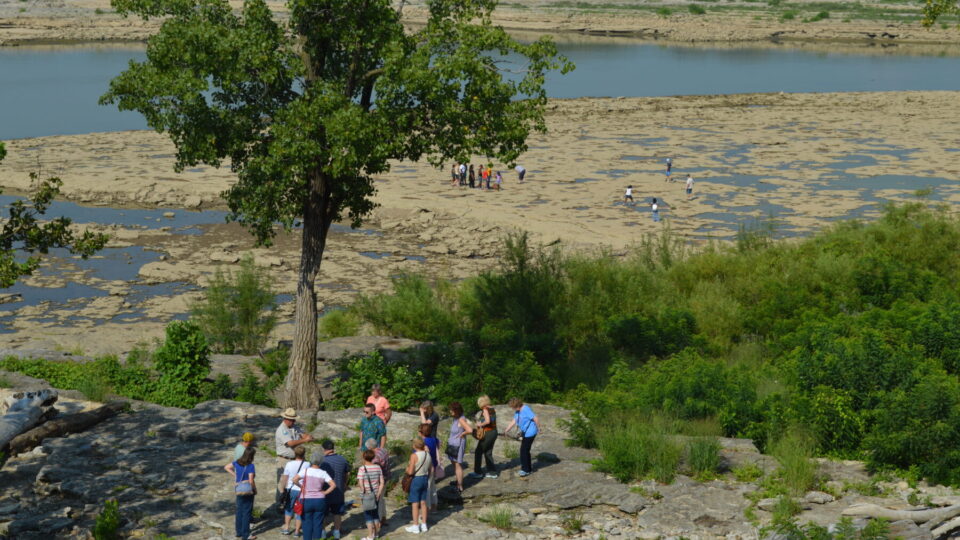 Southern Indiana’s unique Falls of the Ohio State Park in Clarksville is home to one of the world’s largest exposed Devonian fossil beds, dating back to 390 million years ago. Over 300 species of fossils have been identified at the Falls including coral beds and sea creatures that lived when this part of the continent was under a shallow sea. In the 1800s, the site was the most perilous place on the Ohio River for ships, and many boats and lives were lost to the rapids. It was also where Revolutionary war hero George Rogers Clark settled and where Meriwether Lewis and William Clark met to prepare for their famous expedition.
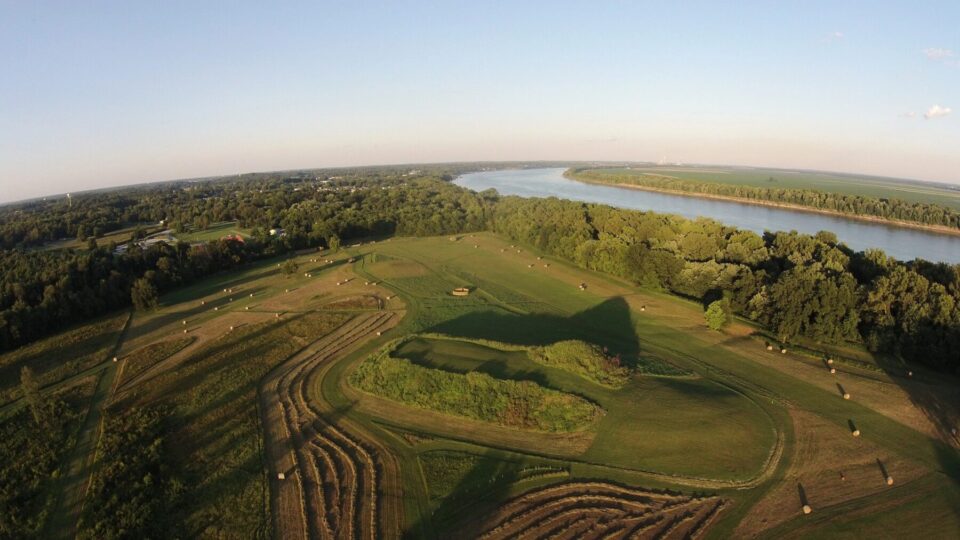 Located near Evansville, Angel Mounds State Historic Site is a 600-acre nature preserve that features a reconstructed village and 11 original earthen mounds from the flourishing Middle Mississippian culture that inhabited this area from 1000 to 1450 A.D. It is one of North America’s best preserved ancient Native American sites.
Early Settlement and Statehood
 Vincennes was founded in 1732 as the oldest city in Indiana. It is home to George Rogers Clark National Historical Park, a site that commemorates George Rogers Clark’s capture of Fort Sackville from the British. The city is also home to Grouseland, the mansion William Henry Harrison lived in when he was governor of the Indiana Territory. Harrison later served as the 9th President of the United States. The house has been restored and is open for tours.
Located next door to Grouseland is Vincennes State Historic Sites. This collection of original buildings includes the 1805 Territorial Capitol building, the Old French House, the Jefferson Academy, the Thompson House, and the Elihu Stout Print Shop.
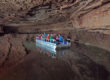
 Indiana became a state in 1816, and the capital moved to Corydon along the Ohio River. Today, you can explore the first statehood capitol building at Corydon Capitol State Historic Site. In nearby Mauckport, visitors can experience an original grist mill built by Daniel Boone’s brother Squire over 200 years ago at Squire Boone Caverns. Squire himself is laid to rest inside the cavern and you can spot his coffin during a tour of the cavern.
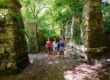
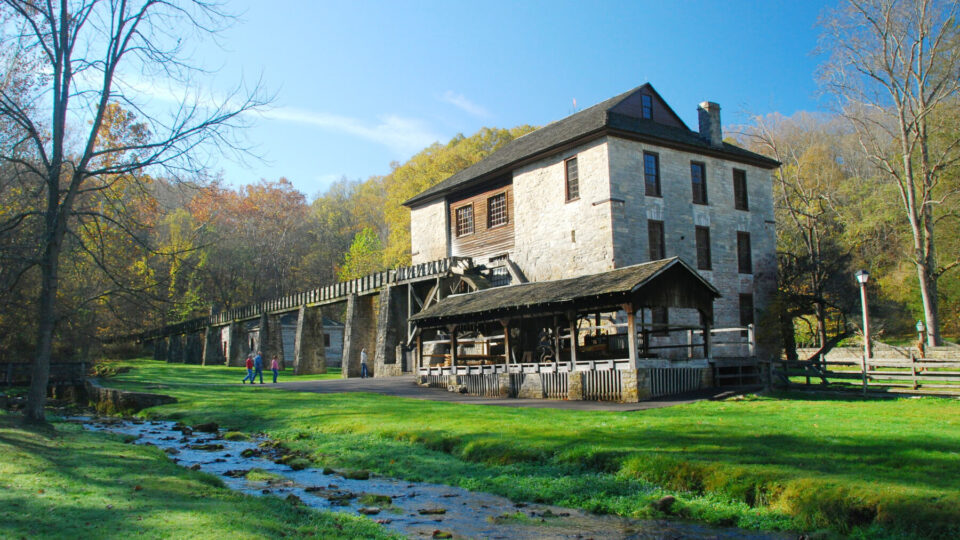 Head north to Mitchell to one of the most beautiful state parks in Indiana, Spring Mill State Park. Inside the park is a restored pioneer village dating back to the early 1800s. For a bit of hidden history, make plans to hike the Lick Creek Trail inside Hoosier National Forest. This area was settled by free African Americans and a group of abolitionist Quakers who traveled here in 1811 from North Carolina to flee the institution of slavery. The homes and churches have long disappeared, but a cemetery can be seen by visitors, and trailhead signs interpret the settlement.
Abraham Lincoln’s Boyhood Home
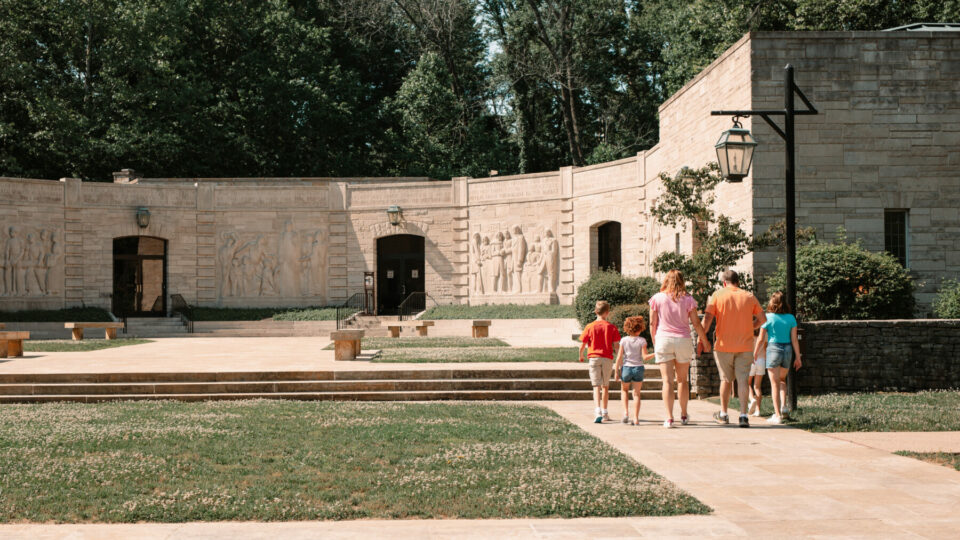 Abraham Lincoln moved to southern Indiana when he was 7 years old. It was here that he became a voracious reader, acquired an interest in politics, and experienced the tragedy of losing his mother and sister. Today, visitors can explore the very land his family lived and worked at Lincoln Boyhood National Memorial in Lincoln City. Lincoln’s mother is buried on this site, and his sister is buried at the Old Pigeon cemetery inside nearby Lincoln State Park.
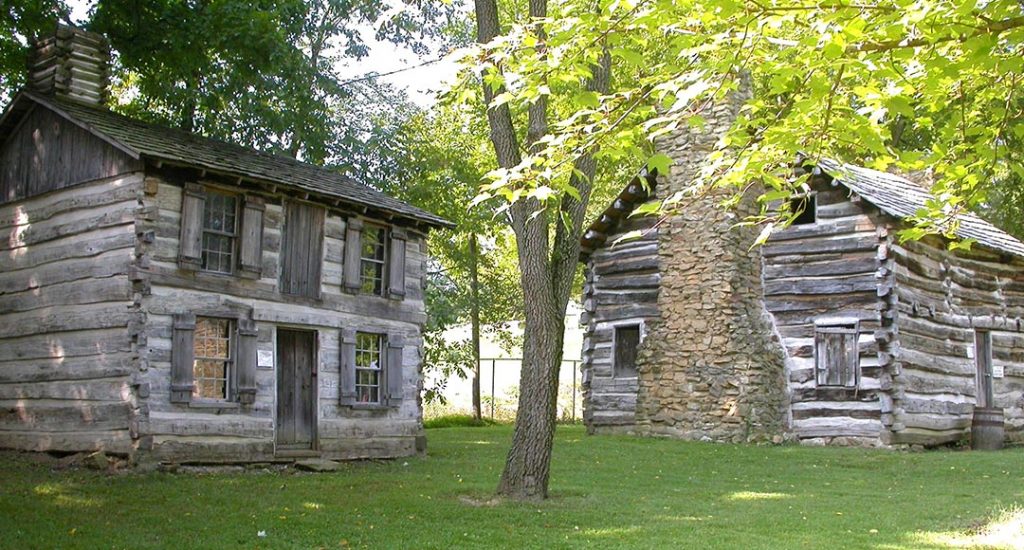 In nearby Rockport, the Rockport Lincoln Pioneer Village brings history to life with 13 Lincoln-era replica cabins, including the Pioneer Schoolhouse, the Lincoln Homestead Cabin, and Old Pigeon Baptist Church. Lincoln Ferry Park near the town of Troy is where Abraham worked one of his early jobs as a teenager ferrying goods and passengers across the Ohio River.
About an hour away in Haubstadt, you can dine in the very same room Lincoln ate in during a return visit to Indiana in 1844. The Log Inn is the oldest restaurant in Indiana and still contains the original log room Lincoln visited when the restaurant was a stage coach stop.
Civil War
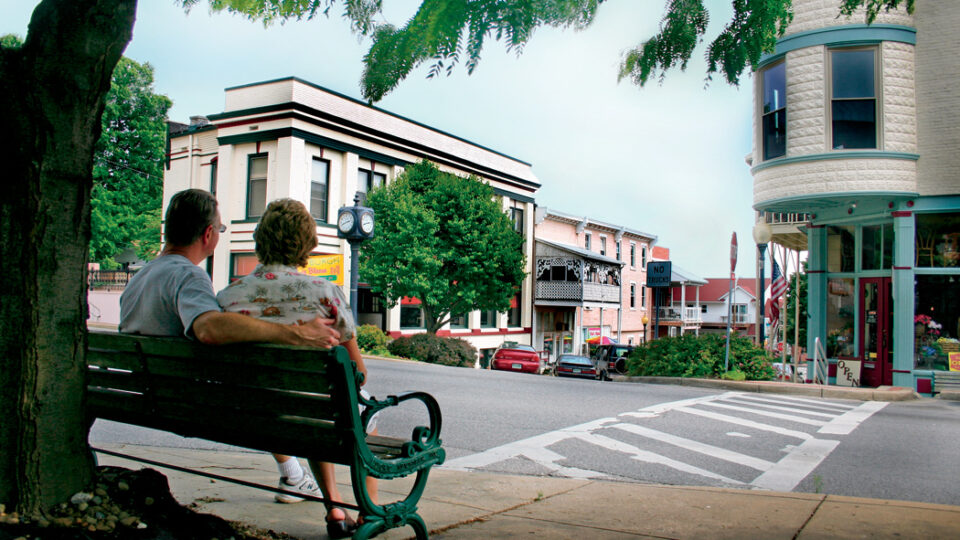 Did you know that the Ohio River town of Newburgh was the first northern town to be captured by Confederates during the Civil War? In 1862, Confederate Colonel Adam Rankin Johnson captured the town by creating a fake cannon using a stovepipe and burnt black log mounted on the running gears of an abandoned wagon. The trick worked and Confederate forces raided a weapons warehouse and looted homes and hotels. Some of these looted buildings are still standing on the Newburgh riverfront today.
In Corydon, Battle of Corydon Memorial Park marks the site of the only Civil War battle fought in Indiana. On July 9, 1863, 450 Harrison County Home Guards attempted to defend the town against 2,500 Confederate Cavalrymen as one of the first events in Confederate General John Hunt Morgan’s famous Raid of Indiana.
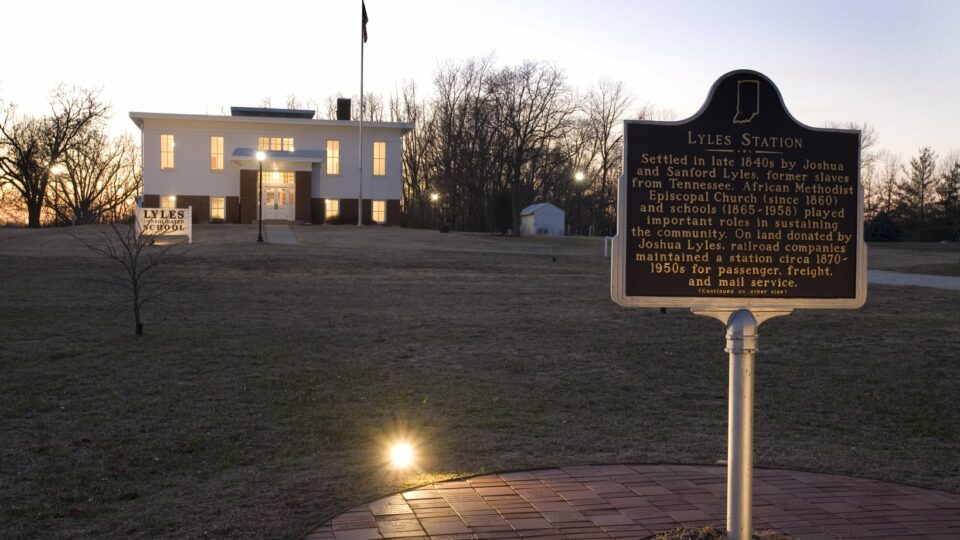 In Gibson County near Princeton, Lyles Station Historic School and Museum tells the story of formerly enslaved people who made a life in Indiana before and after the Civil War. Joshua and Sanford Lyles, two brothers from Tennessee who were freed from slavery, came to Gibson County and founded the flourishing farming town in 1849. They then traveled back to Tennessee following the Civil War to encourage other African Americans to settle there. Today, the site features a restored school with a museum and a living history classroom.
Historic Luxury
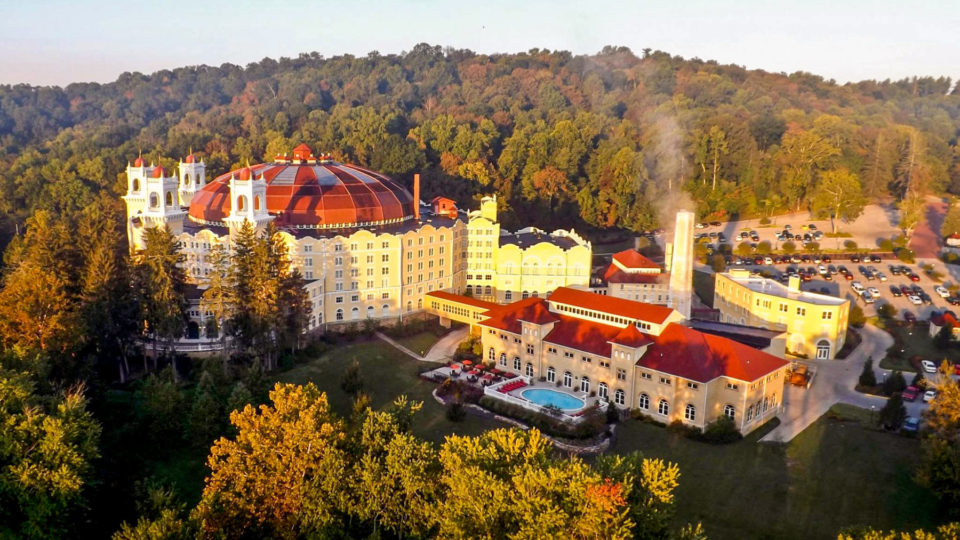 For lovers of the finer things in life, the glamorous French Lick Springs Hotel and West Baden Springs Hotel in Orange County, Indiana, are a must visit. Stop by the hotels’ shops and restaurants, take a guided history tour, or book a room and stay for the week! The famous glass domed atrium, soaring 100-feet high and spanning 200 feet across, is a can’t miss sight.
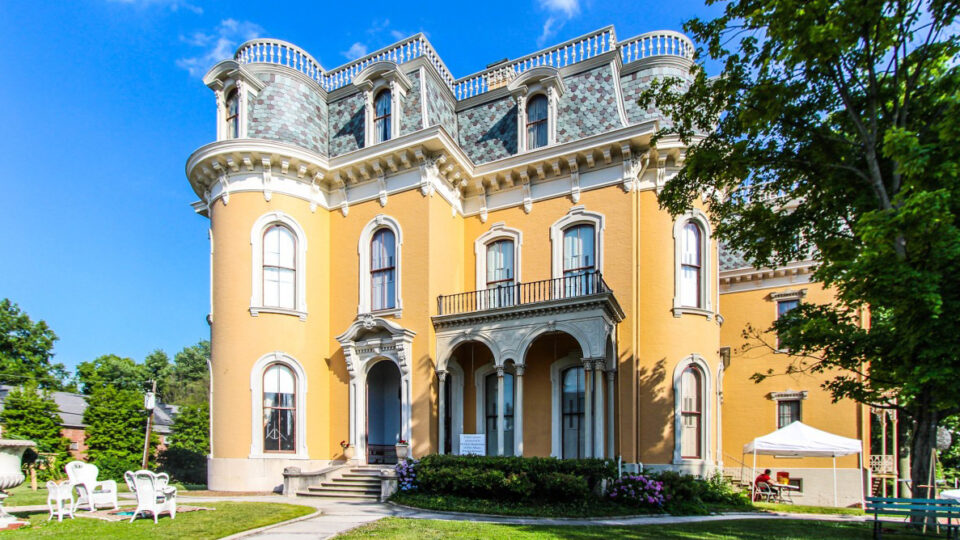 Southern Indiana is home to many grand historic homes and two of our favorites are Culbertson State Historic Site in New Albany and Reitz Home Museum in Evansville. These stunning houses have been beautifully restored and are now open to the public for tours.
Indiana’s Role in World War II and Beyond
 Evansville is named Indiana’s World War II Heritage City by the National Park Service for its role in war production. By the end of World War II, 75% of Evansville’s factories produced war ordnance including ammunition and P-47 Thunderbolt aircraft. The city also produced 167 LSTs (landing ship tanks), more any other shipyard in the US. Today, visitors can tour the LST 325, the world’s last fully-functional World War II-configured LST. The Evansville Wartime Museum features an original P-47 Thunderbolt and offers rides in WWII-era tanks and planes at special events throughout the year.
In Vincennes, the Indiana Military Museum is home to an incredible collection of artifacts including planes, tanks, and helicopters. Special events throughout the year honor those who served in World War I, World War II, and the Vietnam War.